


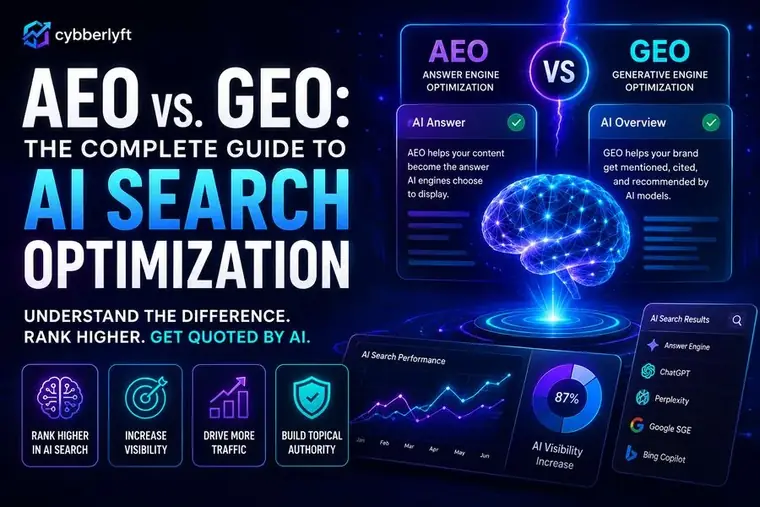
Ask ChatGPT or Perplexity to recommend a tool, a service, or a brand in almost any category, and it will name two or three options with a confidence that looks a lot like editorial judgment. It isn't — it's pattern-matching across everything the model has read and, increasingly, whatever it can retrieve live from the web. Understanding that process is quickly becoming as important as understanding a search ranking algorithm once was.
Why This Question Matters Now
A growing share of research-stage buying decisions now start with a conversational AI tool rather than a search engine. If a model consistently names your competitors and not you, you're losing consideration before a prospect ever visits your site — with no referral traffic, no impression data, and no obvious signal that it's even happening.
The Signals That Influence Citation
Across the prompts we've tested, a few consistent patterns show up in which brands get named:
- Specificity. Brands described with concrete details — a specific feature, a specific number, a specific use case — get cited more than those described only in generic terms.
- Cross-web consistency. When independent sources (reviews, forums, press) describe a brand consistently, models treat that agreement as a trust signal. Contradictions push models toward hedging or naming a competitor instead.
- Structured comparability. Content that directly compares options on clear criteria tends to get pulled from more than content that only describes one option in isolation.
- Recency where it matters. In fast-moving categories, models weight more recently published information more heavily; in stable categories, this matters much less.
What We Tested Across a Dozen Industries
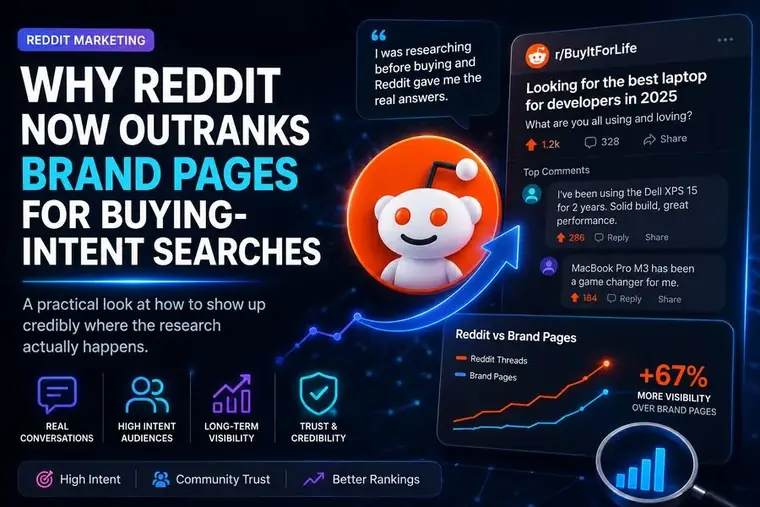
Running the same category-relevant prompt sets monthly across AI SaaS, eCommerce, healthcare, legal, and several other categories, the pattern that stood out most was how often a smaller, more specific brand outranked a larger but vaguer one in AI answers — the opposite of what you'd expect from classic domain-authority-driven search rankings. Being the most precisely described option in a category mattered more than being the most well known one.
A Practical Framework for Improving Citability
- Publish a canonical, specific description of what makes your offering different — not just what category it's in.
- Audit third-party mentions for contradictions with your own claims, and address the biggest ones first.
- Create direct comparison content that positions you against real alternatives on real criteria.
- Re-test your own category's prompts monthly — this shifts often enough that a single check isn't enough.
Where This Is Headed
Expect AI platforms to keep improving at retrieving live web content rather than relying solely on training data, which raises the stakes on maintaining accurate, specific, consistent information across your own site and the third-party sources that mention you — both are increasingly part of the same visibility surface.

Comments
Comments are currently disabled while we roll out our community guidelines. Have a question about this article? Reach out directly — we read every message.